Best Time to Travel to Sri Lanka – Discover Paradise at Its Finest
Sri Lanka, the teardrop-shaped island in the Indian Ocean, is a land of endless beaches, timeless ruins, and incredible wildlife. But when is the best time to experience this paradise? If you’re asking this question, you’re on the right track to planning an unforgettable trip. The key to unlocking Sri Lanka’s magic lies in understanding its unique climate.
For over a decade, We’’ve helped travelers navigate Sri Lanka’s weather patterns, and the most common misconception I hear is that there’s a single “rainy season” to avoid. The truth is far more interesting. Sri Lanka is governed by two separate monsoons that affect different parts of the island at different times of the year. This means that somewhere on the island, the sun is always shining.
This guide is designed to be your definitive resource for planning your trip. We’ll break down the weather month by month, highlight the best times to visit for your specific interests—whether that’s surfing, wildlife safaris, or cultural tours—and share some local secrets for avoiding the crowds.
By the end, you’ll know exactly when to go to Sri Lanka to make your dream vacation a reality, explore Mango Vacations’ expertly curated Sri Lanka tour packages and let us craft a journey tailored just for you.
Understanding Sri Lanka’s Climate: Two Monsoons, One Tropical Paradise
Sri Lanka’s weather is the secret to its year-round appeal. Unlike many destinations with a clear-cut “good” and “bad” season, Sri Lanka offers a perfect escape any month of the year, as long as you know where to go. The island’s climate is defined by two distinct monsoon seasons that bring rain to opposite sides of the country.
The Tropical Rhythm: Why Weather Differs by Region
Imagine drawing a line down the middle of Sri Lanka. The weather on the west and south coasts is often the complete opposite of what’s happening on the east coast. This is thanks to the central highlands, which act as a natural barrier, blocking the monsoon rains from crossing over the entire island at once. This unique geography creates microclimates and ensures that sunny, dry weather is always available somewhere.
Southwest Monsoon (May–September) Explained
The southwest monsoon, known as the “Yala” monsoon, brings rain and wind to the south coast, west coast, and the hill country. During these months, popular beach towns like Galle, Mirissa, and Bentota experience their wet season. While travel is still possible, seas can be rough and rain showers are frequent, especially in May and June.
Northeast Monsoon (October–January) Explained
The “Maha” monsoon affects the northeast of the island, including the ancient cities of the Cultural Triangle and the east coast beaches around Trincomalee. This season is generally less intense than the Yala monsoon, with shorter, sharper bursts of rain, often in the afternoons or at night.
Temperatures, Humidity, and Sunshine Hours
Sri Lanka is a tropical country, so you can expect warm temperatures year-round. Coastal and lowland areas typically hover between 27°C and 30°C (80°F to 86°F), while the central highlands around Nuwara Eliya and Ella are much cooler, with average temperatures of 16°C to 20°C (60°F to 68°F). Humidity is generally high, especially in the southwest, but it’s a small price to pay for the lush, green landscapes. You can count on 6-8 hours of sunshine daily, even during the monsoon seasons.
Why You Can Visit Sri Lanka Any Month of the Year
Because the monsoons hit different regions at different times, there is no single “best time” to visit the entire country. The trick is to plan your itinerary around the weather. From December to March, the south and west coasts are sunny and dry. From May to September, the east coast is at its prime. This climatic duality makes Sri Lanka a fantastic year-round destination.
Month-by-Month Guide: When to Visit Sri Lanka
To help you decide when to book your flights, here’s a breakdown of what to expect each month.
January: Dry, Sunny, and Perfect for Beaches
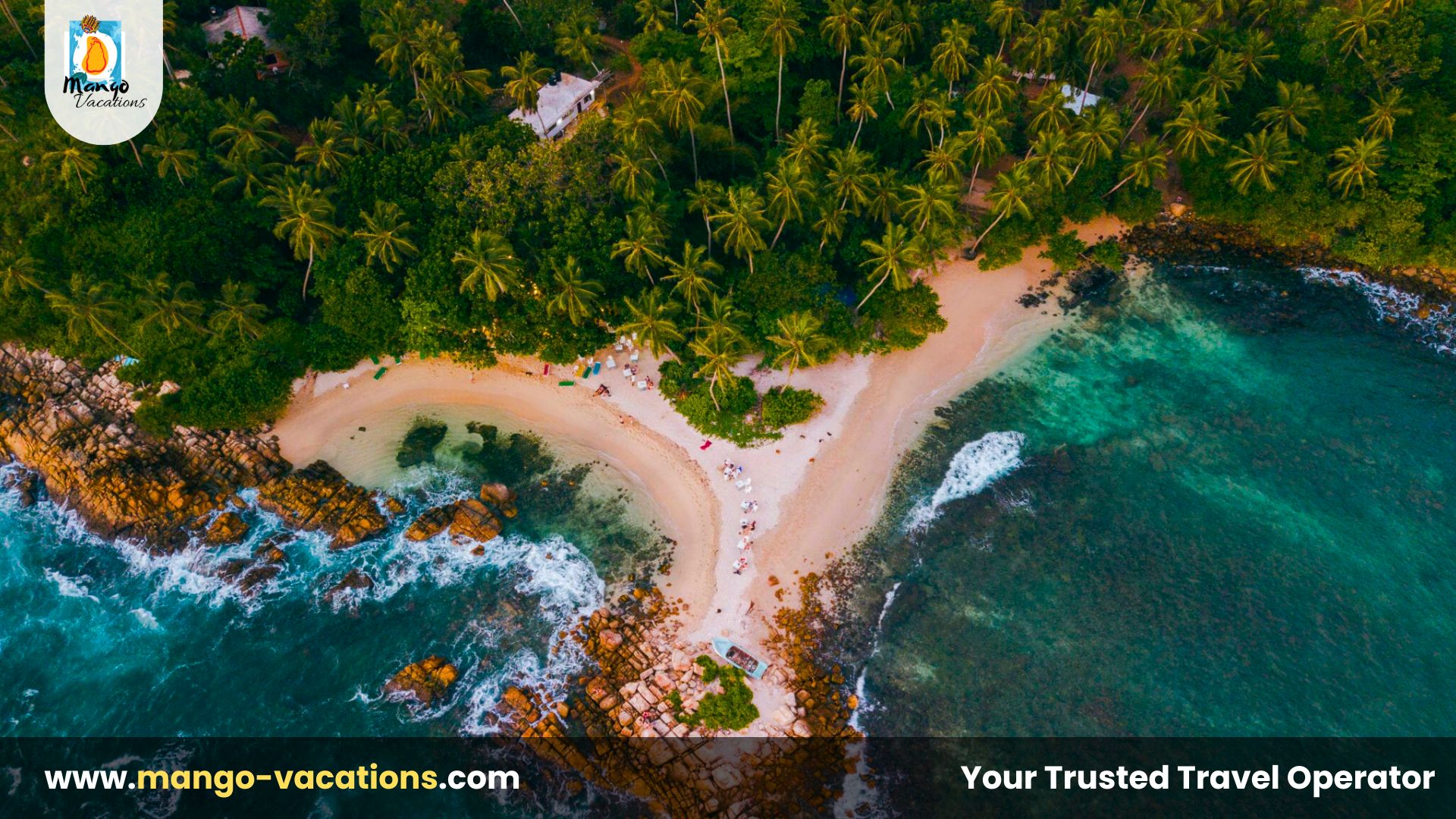
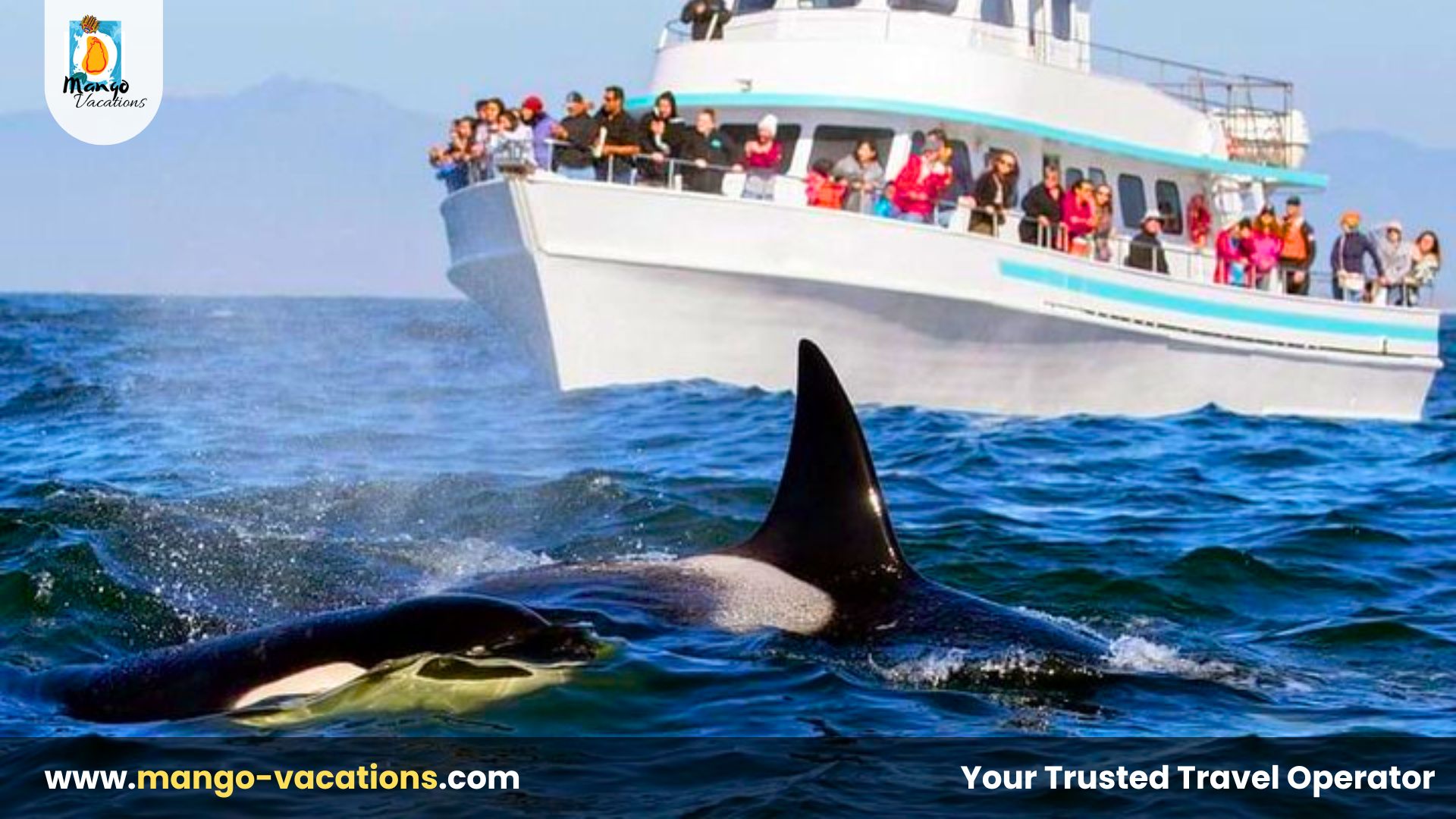
January is the peak season for a reason, and trust me, once you experience it, you’ll understand why travelers flock here during this magical month. The south and west coasts are bathed in glorious sunshine, with calm seas that shimmer like glass—perfect for swimming, snorkeling, and the unforgettable experience of whale watching off Mirissa’s coast.
There’s something truly special about starting the year with your toes in warm sand while the rest of the world shivers through winter. This is honestly the ideal time to explore the charming streets of Galle Fort, catch sunrise at Mirissa Beach, or venture into the misty central highlands where the tea plantations are at their most photogenic.
The only downside? You’ll be sharing this paradise with fellow travelers, so book your accommodations early to secure the best spots.
February: Ideal for Cultural Tours and Coastlines
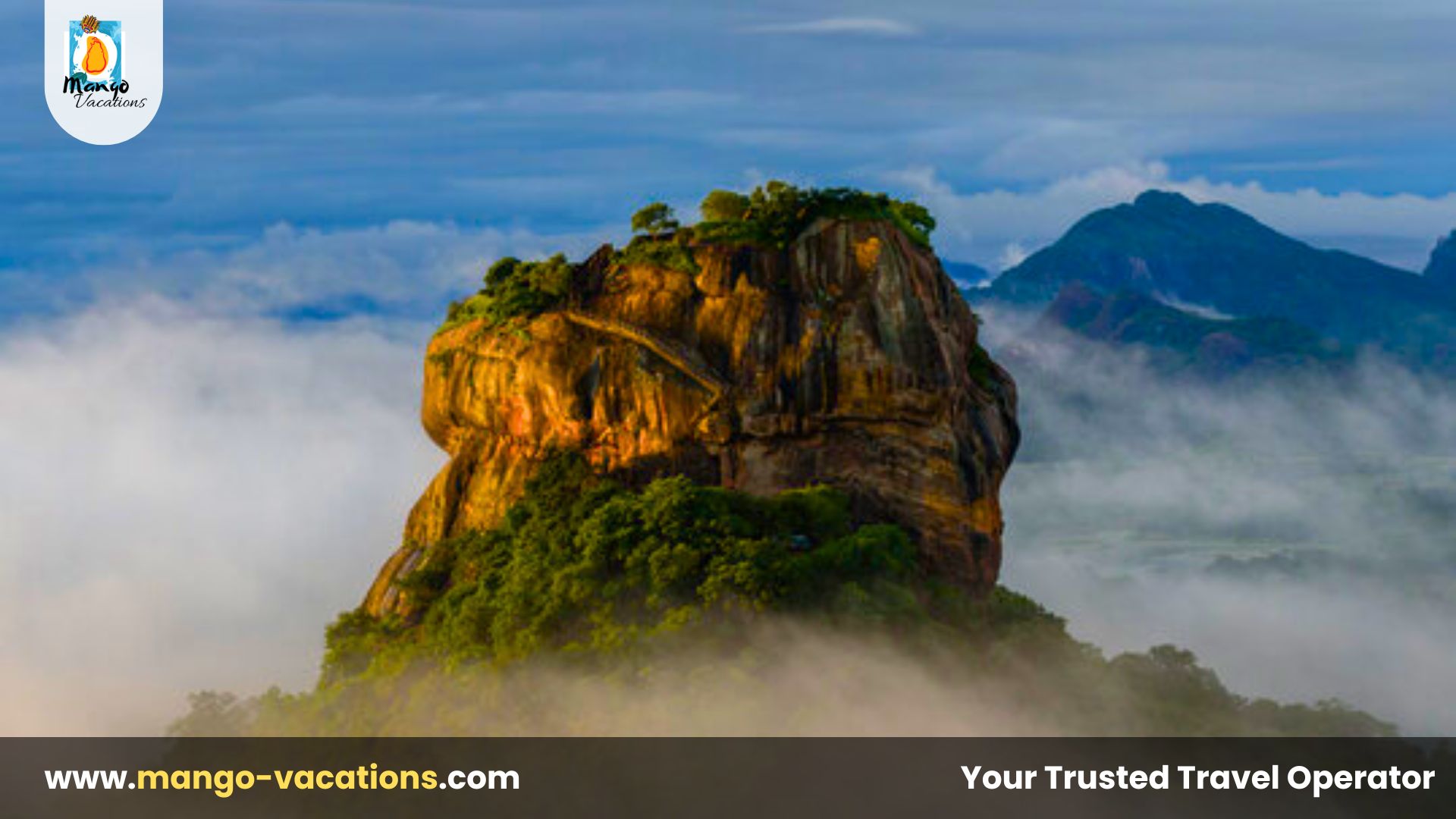
The fantastic weather continues into February, and many seasoned travelers actually consider this the sweet spot of the entire year. What makes February exceptional is the versatility it offers—you can genuinely have it all.
Imagine spending your morning exploring ancient temples in the Cultural Triangle, where the dry conditions make climbing Sigiriya Rock an absolute pleasure, then ending your day watching the sunset over the Indian Ocean with a fresh king coconut in hand.
The temperatures are comfortable, the humidity is manageable, and the rain stays away from most regions you’ll want to visit. February is perfect for combining a luxurious beach holiday with a deep dive into Sri Lanka’s rich cultural heritage, all without constantly checking weather apps or worrying about your plans getting washed out.
March: Calm Seas and Lush Nature
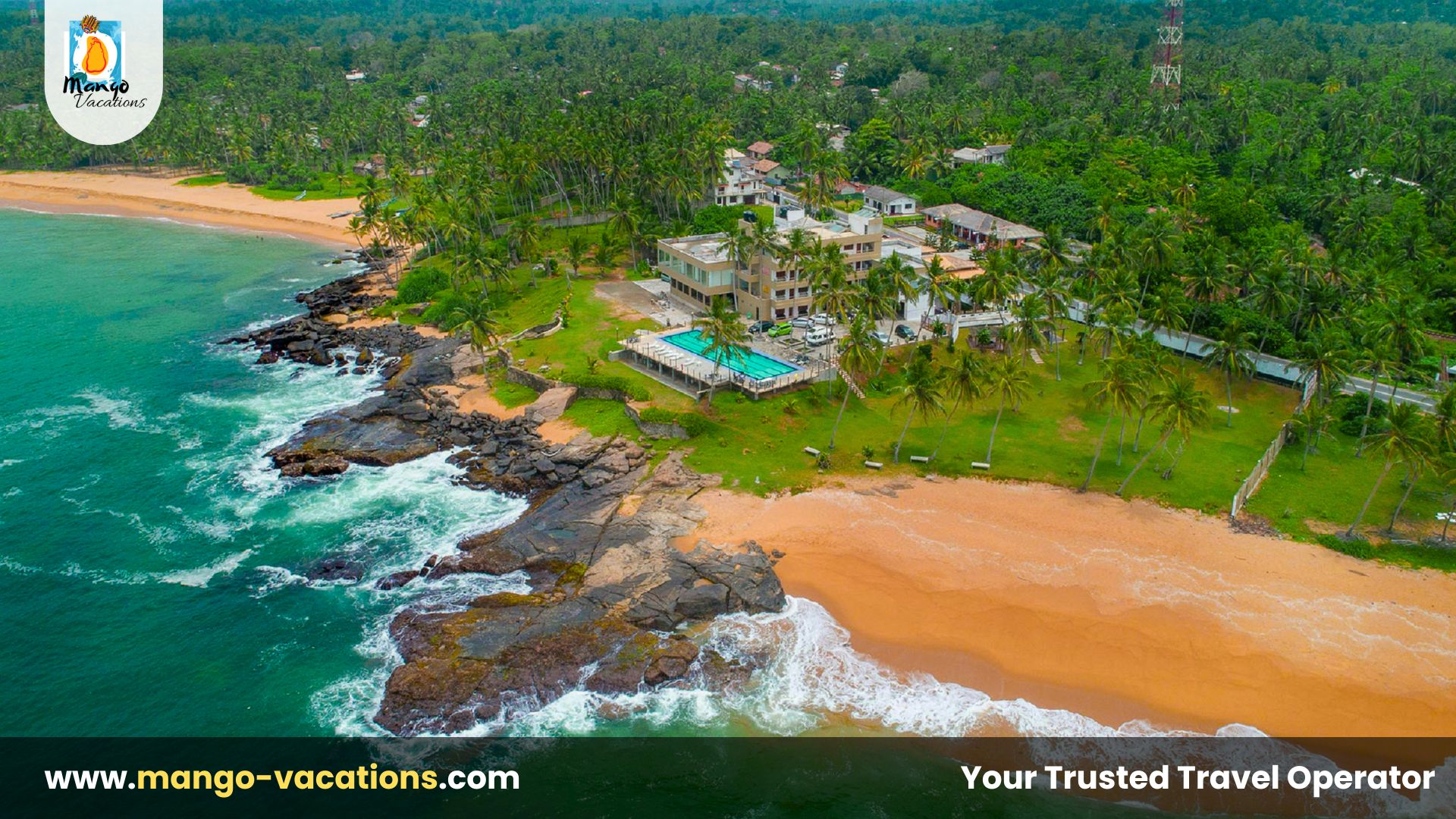
As the dry season reaches its peak, March brings some of the calmest seas you’ll ever witness in Sri Lanka. I’m talking about mirror-like water conditions that make underwater visibility exceptional—this is when diving and snorkeling on the south coast become truly world-class experiences.
The marine life around Hikkaduwa and Unawatuna is vibrant and accessible, perfect for both beginners and experienced divers. Meanwhile, up in the hill country, the landscape is lush and breathtakingly beautiful, with waterfalls flowing strongly from earlier rains and tea estates stretching as far as the eye can see.
March offers that perfect balance where nature is thriving but the weather remains wonderfully cooperative. It’s also slightly less crowded than January and February, giving you a bit more breathing room at popular attractions.
April: Transitional Month with Local Festivities
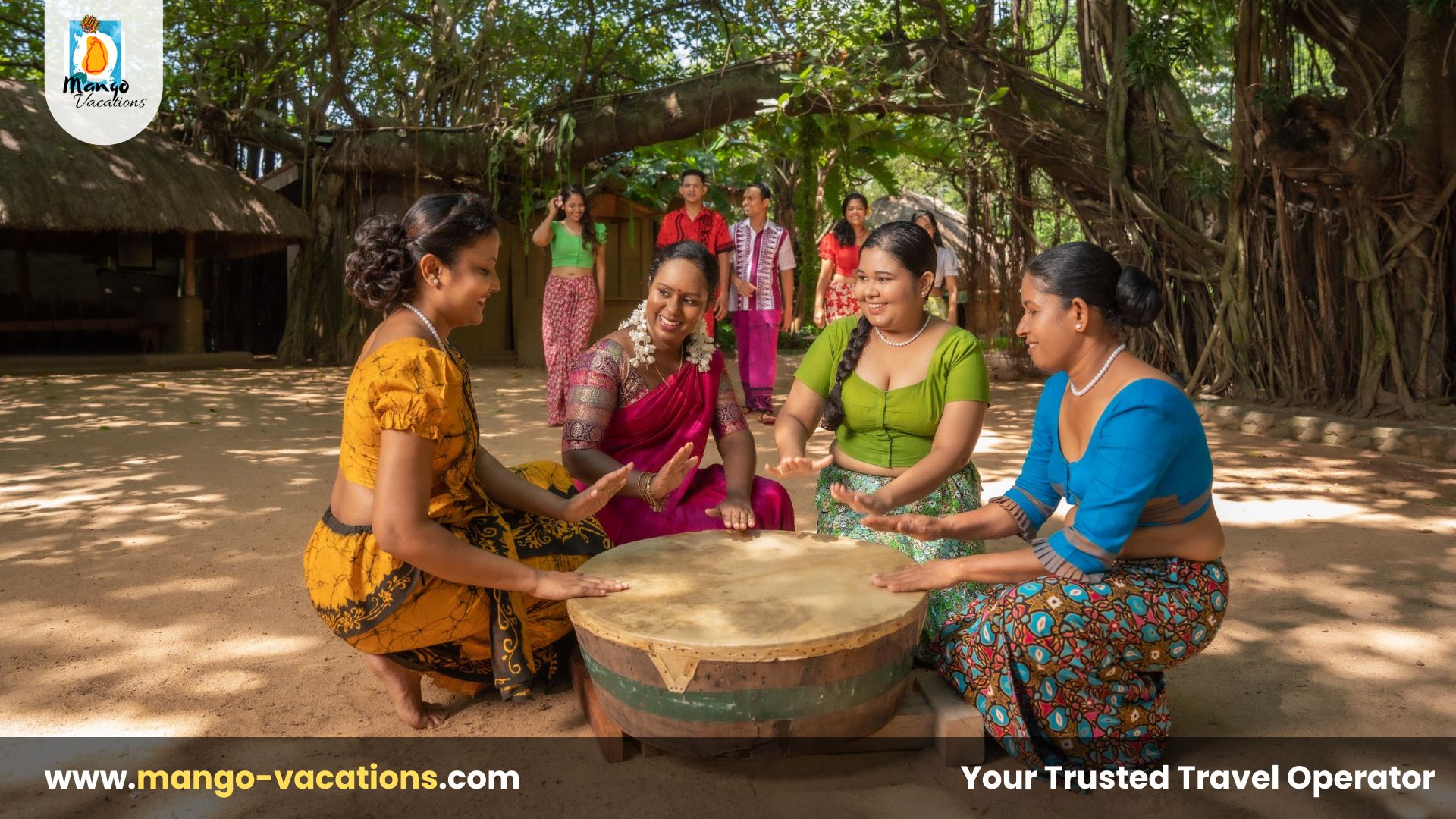
April is what I call an “adventure month”—it’s unpredictable, yes, but incredibly rewarding for those willing to embrace its character. This shoulder month marks the transition between monsoon seasons, bringing a mix of hot, humid days and the occasional dramatic thunderstorm that clears the air beautifully.
But here’s the real magic: April is when Sri Lankans celebrate Sinhala and Tamil New Year, the island’s most important cultural festival. You’ll witness entire villages coming alive with traditional games, special sweets, and warm hospitality that’s even more generous than usual. Streets are decorated, families gather, and there’s an infectious joy in the air.
Sure, you might encounter some afternoon showers, but you’ll also experience Sri Lanka at its most authentic. Hotels often offer great rates during this time, and you’ll feel like a welcomed guest rather than just another tourist.
May: Start of Southwest Monsoon, East Coast Opens

Here’s where Sri Lanka’s geography works beautifully in your favor. As May arrives and the southwest monsoon begins bringing rain to the south and west coasts, the east coast emerges from its quiet season like a butterfly from a cocoon.
This is nature’s way of balancing things out perfectly. While Colombo and Galle might see afternoon showers, the beaches of Trincomalee and Arugam Bay are just entering their absolute prime season with clear blue skies and gentle waves.
It’s the perfect time to head east if you’re chasing sunshine, and you’ll find these beaches refreshingly uncrowded compared to the southern tourist hubs. The transition also means lush, green landscapes everywhere—the island gets its natural facelift, and honestly, even the rainy areas have their own dramatic beauty with powerful surf and moody skies.
June: Great Time for Surfing and Wildlife Safaris

June is when Arugam Bay truly comes alive and transforms into one of Asia’s premier surfing destinations. Surfers from around the world gather here, creating a vibrant, laid-back community vibe that’s infectious even if you’ve never set foot on a board.
But June isn’t just about catching waves—it’s also an exceptional time for wildlife safaris in Yala and Wilpattu National Parks. As water sources dry up across the parks, animals concentrate around the remaining waterholes, making wildlife spotting significantly easier and more reliable.
Your chances of seeing leopards, elephants, and sloth bears increase dramatically. The east coast remains sunny and dry, offering that perfect combination of beach relaxation and adventure. It’s like Sri Lanka is split into two distinct experiences, and you get to choose your adventure based on what excites you most.
July: Sunny in the East, Cultural Festivals Inland
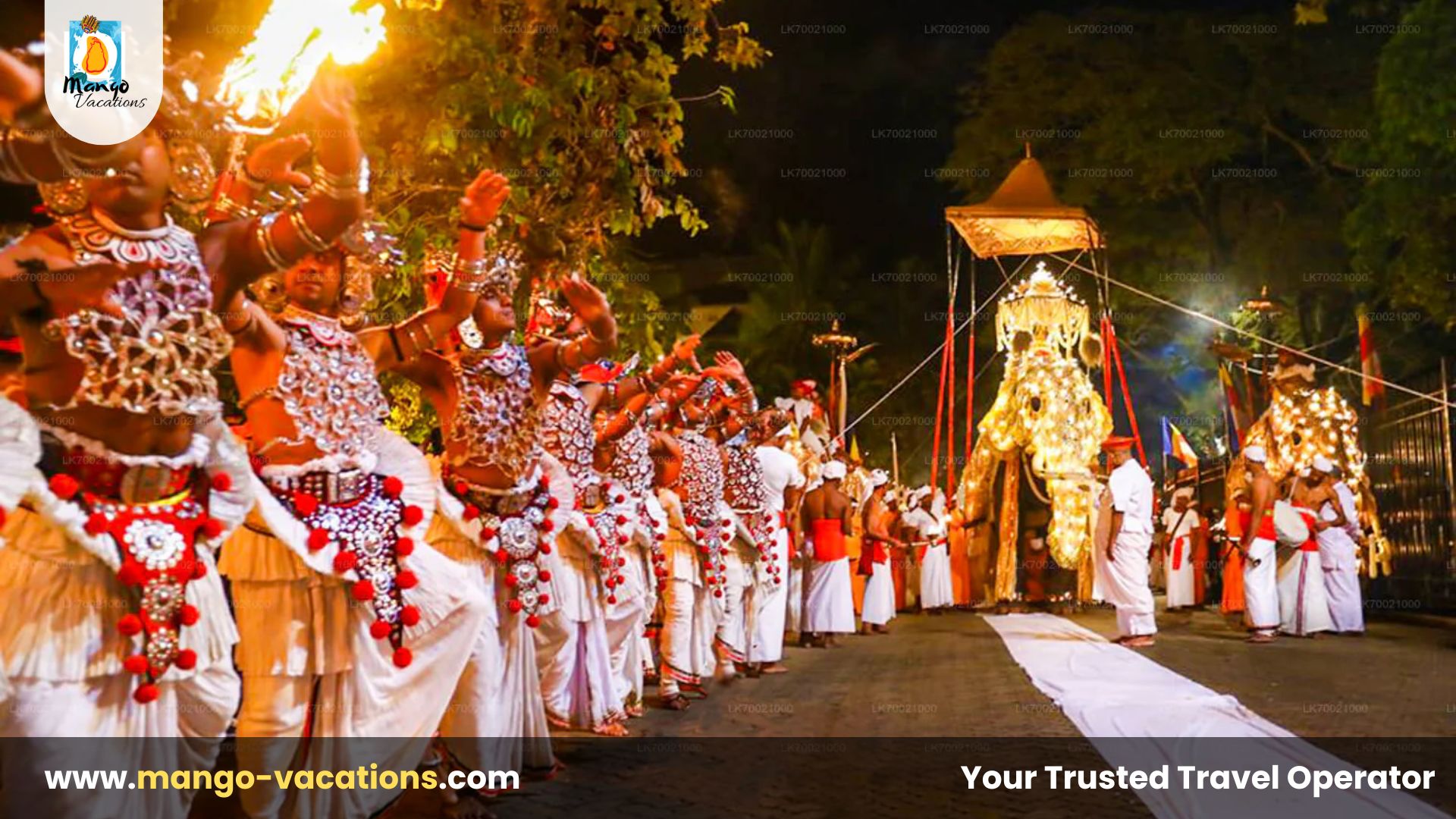
While the southwest coast continues to receive monsoon rains, the east coast is basking in beautiful summer weather, and the cultural heart of the island beats stronger than ever. July is crowned by the magnificent Kandy Esala Perahera, one of Asia’s most spectacular cultural festivals that you absolutely must witness if you’re here.
Picture this: elaborately decorated elephants parading through torch-lit streets, traditional drummers creating rhythms that echo through ancient temples, and thousands of performers showcasing centuries-old traditions. It’s a sensory overload in the best possible way.
The east coast beaches remain perfect for swimming and diving, and the Cultural Triangle is accessible with generally dry conditions. July truly showcases why timing your visit to specific regions makes all the difference in Sri Lanka.
August: Peak Family Travel Time
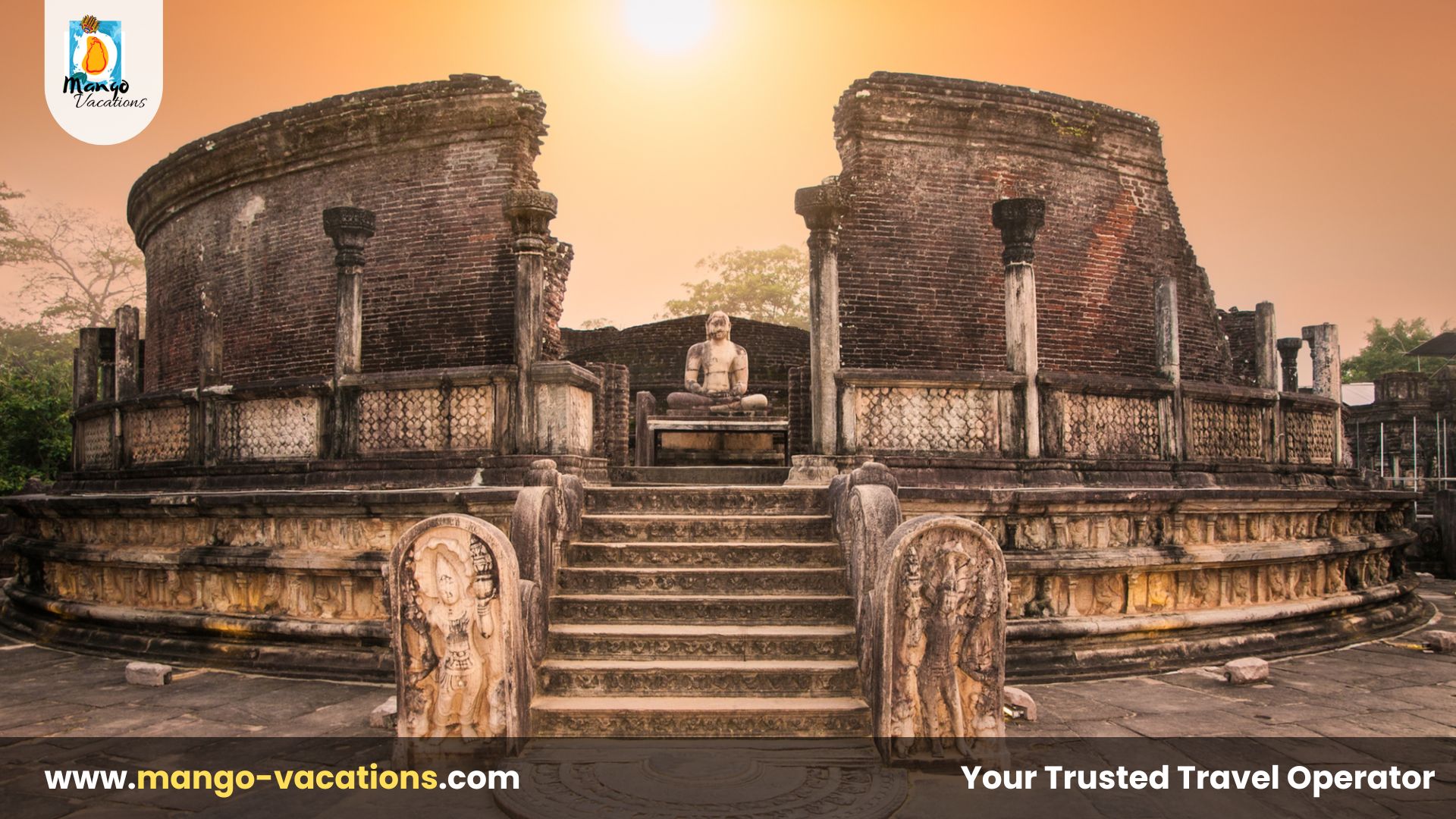
August sees a surge in visitors, especially families on summer holidays. The weather mirrors July, with sunny conditions on the east coast and in the Cultural Triangle. It’s a great time for a classic Sri Lanka itinerary that focuses on these regions.
August sees a wonderful surge in energy across the island as families from around the world arrive for summer holidays. There’s something special about the buzz of multi-generational travelers exploring together, and Sri Lanka caters beautifully to families with its safe beaches, fascinating history, and gentle wildlife encounters. The weather mirrors July’s patterns, maintaining those sunny, reliable conditions on the east coast and throughout the Cultural Triangle—ideal for planning activities with children who need predictable weather.
This is genuinely a great time for what I call a “classic Sri Lanka itinerary” that focuses on these regions, combining beach time at Nilaveli or Pasikuda with exploring ancient ruins and maybe a gentle wildlife safari. Just remember that popular spots book up quickly, so planning ahead is essential for August travel.
September: Warm and Less Crowded
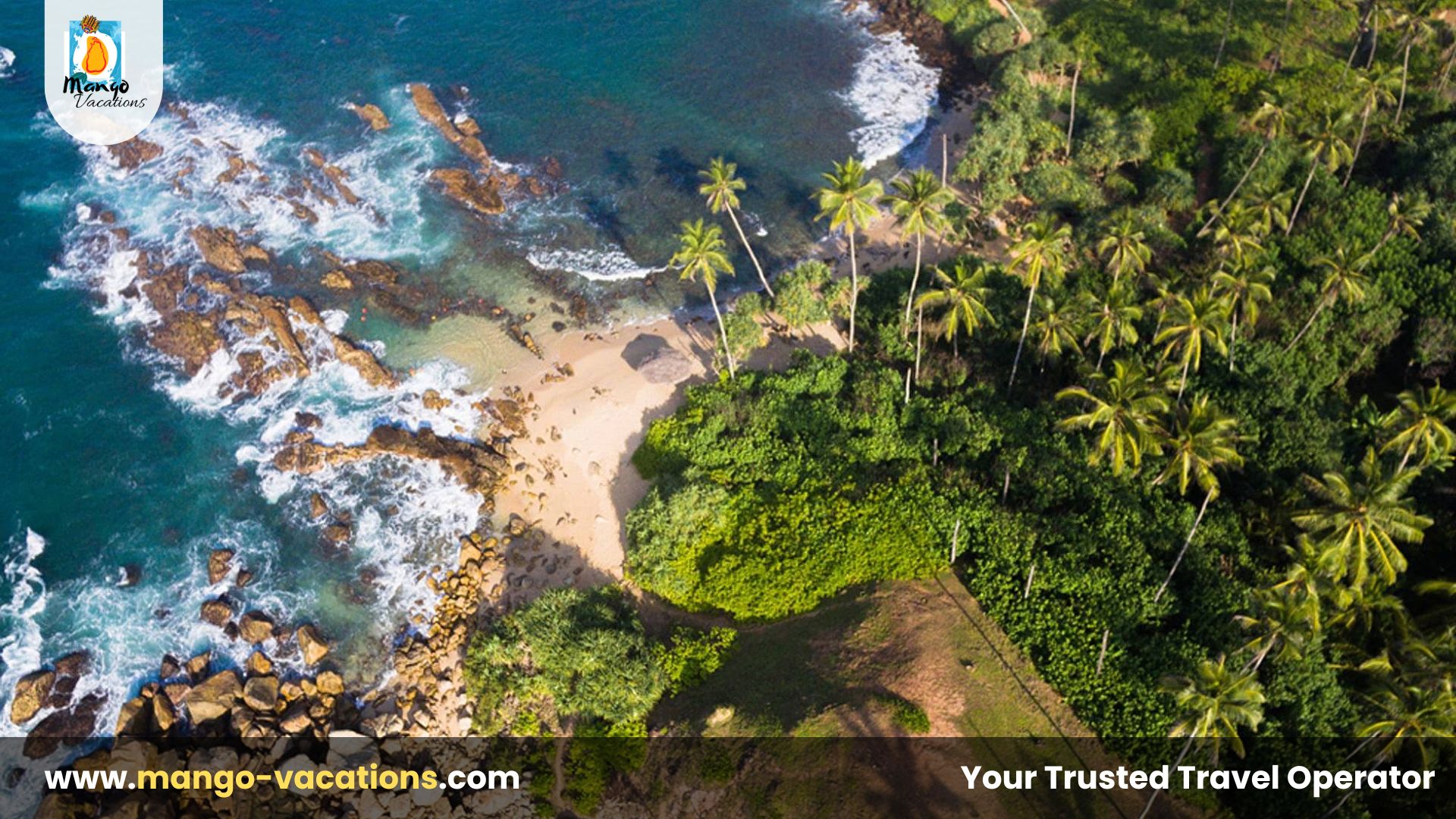
As European summer holidays wind down, something magical happens in Sri Lanka—the crowds thin out significantly, but the gorgeous weather continues. September is honestly one of my favorite months to recommend for travelers who want to enjoy the east coast beaches and wildlife parks without jostling for space or the best photo angles.
You’ll find the beaches of Trincomalee and Uppuveli refreshingly peaceful, with plenty of room to spread out and truly relax. The weather remains warm and inviting in these areas, with consistent sunshine and calm seas perfect for snorkeling.
Restaurants and tour operators have more time to give you personalized attention, and there’s a more relaxed, authentic atmosphere overall. If you value quality experiences over checking boxes on a crowded itinerary, September delivers beautifully.
October: Short Rains, Vibrant Landscapes
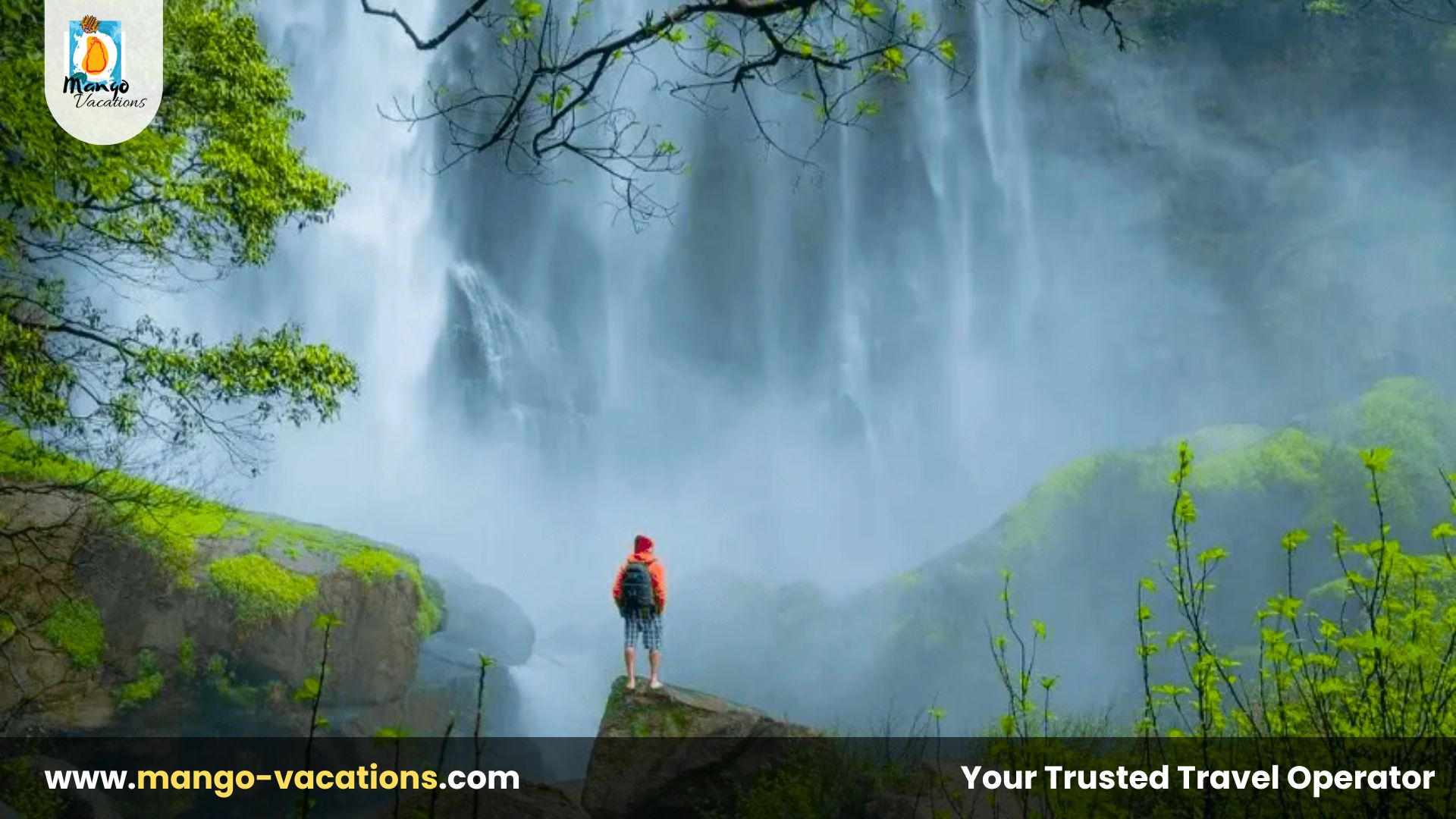
October is the wild card month that keeps Sri Lanka interesting—this is the second inter-monsoon period where weather patterns become genuinely unpredictable across the island. You might experience short, sharp rain showers that arrive suddenly and leave just as quickly, often bringing dramatic rainbows in their wake.
But here’s what makes October special: the island gets thoroughly watered, transforming into the lushest, most vibrant version of itself. Rice paddies glow brilliant green, waterfalls swell to their most impressive, and the air feels fresh and alive.
It’s an exceptional month for budget travelers and photographers who appreciate moody, dramatic landscapes over guaranteed sunshine. Hotels drop their rates significantly, and you can often negotiate great deals on tours. If you’re flexible and adventurous, October rewards you with an authentic, less touristy Sri Lanka experience.
November: Hidden Gem Month with Balanced Weather

November is what I call the “insider’s month”—a shoulder season that offers remarkable value for travelers who understand Sri Lanka’s weather patterns. While the northeast monsoon may start bringing occasional rain to the east coast, the south and west coasts are drying out beautifully and returning to their sunny glory.
This creates a sweet spot where you can find excellent weather in the south while enjoying significantly lower prices and fewer crowds before the December high season rush begins. Hotels that will be fully booked in a month’s time still have availability and are willing to negotiate rates.
Tour operators are eager for business and provide exceptional service. It’s the perfect time to experience luxury at mid-range prices, and you’ll often feel like you have entire beaches or ancient temples almost to yourself.
December: High Season and Perfect Beach Weather
The high season arrives with fanfare, and honestly, it’s easy to see why December commands premium prices—the south and west coasts return to their absolute sunny best. Picture crystal-clear blue skies stretching endlessly, calm turquoise waters perfect for swimming, and golden sand beaches that look like they’ve been photoshopped (but haven’t).
This is the classic tropical paradise experience that brings travelers escaping cold northern winters to Sri Lanka’s welcoming shores. December offers that perfect combination of excellent weather, festive holiday atmosphere, and reliable conditions for all activities from whale watching to temple exploring.
Christmas and New Year celebrations add an extra layer of magic, with beach parties, special dinners, and a joyful vibe across the island. Just remember to book everything well in advance—this is when Sri Lanka is at its busiest and most expensive.
Best Time to Visit Sri Lanka by Region
Your ideal travel time depends heavily on which parts of the island you want to see.
South & West Coast (Galle, Bentota, Mirissa): December to March
For picture-perfect beaches that look like they belong on postcards, world-class whale watching in Mirissa where blue whales grace the waters, and exploring the enchanting colonial charm of Galle Fort’s cobblestone streets, this four-month window is absolutely the time to go.
The weather during this period is consistently dry and sunny—we’re talking day after day of brilliant sunshine with minimal humidity and gentle ocean breezes. It’s ideal for all coastal activities, from surfing in Weligama to simply lounging under palm trees with a good book.
The sea conditions are calm and safe for families with children, snorkeling visibility is excellent, and sunset sessions are absolutely spectacular. This is when the south and west coast truly shine at their brightest, offering that quintessential tropical beach holiday experience that Sri Lanka is famous for. Just be prepared for higher prices and bustling beaches during this peak period.
East Coast (Trincomalee, Arugam Bay): May to September
When the rest of the island retreats indoors from monsoon rains, the east coast emerges as Sri Lanka’s sun-kissed sanctuary. This five-month window is the absolute prime season for experiencing the raw, untouched beauty of beaches like Nilaveli and Uppuveli, catching world-class waves in Arugam Bay (especially for surfers), and diving or snorkeling off the pristine Pigeon Island in Trincomalee where coral reefs teem with colorful marine life.
The east coast during this period offers a completely different vibe from the more developed south—it feels more remote, more adventurous, with a laid-back atmosphere that surfers and beach lovers absolutely adore. The weather is reliably dry and hot, perfect for endless beach days, and the sunrises over the Bay of Bengal are absolutely breathtaking. This is your chance to explore a less-touristed side of Sri Lanka while still enjoying excellent weather.
Central Highlands (Ella, Nuwara Eliya, Kandy): Pleasant Year-Round
The beautiful hill country offers a refreshing escape from the coastal heat and humidity, and here’s the wonderful secret—it’s genuinely enjoyable to visit year-round.
While this region does see rain during both monsoon seasons, the temperatures remain pleasantly cool throughout the year, creating that perfect “eternal spring” climate that makes hiking and exploring comfortable even during midday. The views of cascading tea plantations are absolutely spectacular, especially after some rain when everything glows with an almost unreal shade of green.
Morning mist rolling through the valleys, the smell of fresh tea leaves, and cool evening temperatures create an atmospheric experience quite different from the beaches.
If you’re prioritizing the driest conditions for activities like the train ride to Ella or hiking Little Adam’s Peak, January to April offers the most reliable sunshine, though honestly, even the rainy season has its charm here with dramatic clouds and fewer tourists.
Cultural Triangle (Sigiriya, Dambulla, Anuradhapura): January to August
This historically rich region blessed with ancient kingdoms and architectural marvels remains relatively dry for most of the year, making it one of the most accessible parts of Sri Lanka regardless of season.
The absolute best time to climb the iconic Sigiriya Rock Fortress, explore the cave temples of Dambulla with their stunning frescoes, or wander through the vast ruins of Anuradhapura is during the January to August window when you’ll have plenty of sunshine and minimal rain to interrupt your explorations.
Climbing 1,200 steps to the top of Sigiriya is already challenging—doing it in dry, clear weather makes the experience far more enjoyable and the panoramic views from the summit absolutely stunning.
The heat can be intense during midday, especially in April and May, but starting early in the morning means you’ll beat both the heat and the crowds. This extended dry season makes planning cultural tours straightforward and reliable.
Colombo & Surroundings: Tropical Energy All Year
As Sri Lanka’s bustling commercial capital and gateway to the island, Colombo pulses with an infectious energy and urban excitement year-round, rain or shine. The city is affected by the southwest monsoon from May to September, bringing afternoon showers that locals navigate with practiced ease, but here’s the thing—life doesn’t stop.
Restaurants remain packed, markets buzz with activity, and the city’s colonial architecture and modern developments continue to fascinate visitors even during rainy periods. The showers are typically intermittent rather than all-day affairs, and there’s something uniquely charming about experiencing Colombo during monsoon season when the city feels more authentically local.
For city exploration, shopping in air-conditioned malls, visiting museums, and experiencing the culinary scene, Colombo works beautifully any time of year. Just pack an umbrella if visiting between May and September, and you’ll be perfectly fine.
Best Time by Interest: Find Your Perfect Season
What do you want to do in Sri Lanka? Your answer will help you choose the best time to visit.
For Beach Lovers and Sun Seekers
If your perfect vacation involves endless stretches of golden sand, swimming in crystal-clear warm waters, and sunbathing under cloudless skies, then head to the south and west coasts from December to March—this is your guaranteed sunshine window.
You’ll find beaches like Unawatuna, Hikkaduwa, and Bentota at their absolute finest, with calm seas perfect for swimming and snorkeling. For a quieter but equally stunning beach experience that feels more off-the-beaten-path and authentically local, visit the east coast from May to September when Arugam Bay and Trincomalee offer pristine beaches without the crowds.
Both options give you that tropical paradise experience; you’re simply choosing between the well-established southern beach scene or the more rugged, adventurous eastern shores. Either way, you’re guaranteed vitamin D, incredible seafood, and memories of sunset sessions you’ll cherish forever.
For Culture and History Enthusiasts
The Cultural Triangle with its ancient cities and UNESCO World Heritage sites is best explored from January to August when dry weather makes navigating archaeological sites comfortable and photography conditions ideal.
During these months, you can climb Sigiriya without rain-slicked steps, explore Polonnaruwa’s ruins without umbrella juggling, and photograph ancient frescoes in perfect natural light.
For an even deeper cultural immersion beyond monuments, plan your trip around Sri Lanka’s spectacular festivals—the Kandy Esala Perahera in July/August is an absolutely unmissable experience of pageantry, tradition, and spiritual devotion that will move you deeply.
Alternatively, the Sinhala and Tamil New Year in April offers a more intimate, community-focused cultural experience where you’ll witness authentic traditions and be welcomed into local celebrations. These festivals add a vibrant, living dimension to Sri Lanka’s history that no guidebook can fully capture.
For Wildlife & Nature Travelers
Wildlife viewing in Sri Lanka is genuinely excellent year-round thanks to the island’s incredible biodiversity, but timing your visit to specific seasons can dramatically increase your chances of remarkable encounters.
For spotting the elusive Sri Lankan leopard in Yala National Park or Wilpattu, the dry season from June to September is absolutely prime time—as water sources dry up, animals concentrate around remaining waterholes, making sightings more predictable.
For the awe-inspiring experience of watching blue whales and sperm whales off Mirissa’s coast, visit between December and April when these magnificent creatures migrate through Sri Lankan waters. Minneriya National Park’s famous “Gathering” of elephants—one of the largest wild elephant congregations in the world—is best witnessed from July to October.
Bird watchers will find migrant species from November to April. Nature lovers should also consider the lush landscapes during or just after monsoon seasons when waterfalls are at their most powerful and the jungle feels truly alive.
For Adventure: Surf, Dive & Hike
Adventure seekers will find Sri Lanka delivers year-round thrills, but timing specific activities to the right seasons transforms good experiences into extraordinary ones. Surfers should absolutely hit Arugam Bay from May to September when consistent swells create those perfect right-hand point breaks that have made “A-Bay” legendary among the global surf community.
Divers will find the best underwater visibility and calmest conditions on the south coast from December to March, when exploring coral reefs around Hikkaduwa and wreck diving become truly exceptional.
Hikers and trekkers can enjoy the central highlands year-round, with trails through tea country offering stunning scenery regardless of season, but the trails are driest and most accessible from January to April when you can tackle peaks like Ella Rock or Knuckles Mountain Range without muddy struggles. Each season opens up different adventure opportunities—embrace the variety!
For Honeymooners and Couples
Romance thrives in any season in Sri Lanka, but the shoulder seasons of April and November offer something special for couples seeking intimate moments away from crowds.
These months provide a more romantic, peaceful atmosphere with noticeably fewer tourists competing for that perfect sunset dinner table or secluded beach spot. Hotels often offer excellent package deals and upgrades during these periods, meaning you can afford luxury experiences that might be beyond budget during peak season.
For a classic, luxurious beach honeymoon with guaranteed sunshine, romantic beachfront dinners, and endless opportunities for couples’ photos against stunning backdrops, February and March are genuinely hard to beat.
The weather is at its most reliable, the seas are calm and swimmable, and there’s something deeply romantic about the transition from high season’s buzz to the peaceful arrival of spring.
Sustainable Travel in Any Season
No matter when you visit, traveling responsibly is key to preserving Sri Lanka’s natural beauty and rich culture.
How Mango Vacations Promotes Eco-Friendly Tourism
We deliberately partner with local, eco-conscious hotels and guesthouses that implement sustainable practices like water conservation, solar power, and waste reduction—places that genuinely care about their environmental footprint.
Our carefully selected guides are not just knowledgeable about history and wildlife; they’re trained in responsible tourism practices and passionate about conservation.
Our ultimate goal is to create tours that actively benefit both the environment and local communities, ensuring that your visit has a genuinely positive impact rather than contributing to over-tourism or environmental degradation.
We believe that tourism done right can be a powerful force for conservation and community development, and we take that responsibility seriously. Every booking through us directly supports this vision of sustainable, meaningful travel that enriches both visitors and the places they visit.
Frequently Asked Questions (FAQ)
When is the rainy season in Sri Lanka?
Sri Lanka has two rainy seasons. The southwest monsoon brings rain to the south and west coasts from May to September. The northeast monsoon affects the east coast and Cultural Triangle from October to January.
When is the high season?
The main high season is from December to March, when the south and west coasts are at their best. July and August are also busy due to European summer holidays.
Is it okay to visit Sri Lanka in summer?
Absolutely! Summer (June to August) is the perfect time to visit the east coast for surfing and beach relaxation, as well as the Cultural Triangle and wildlife parks.
What’s the best time for a round trip?
For a comprehensive tour of the island, the months of February, March, and September offer the most balanced weather across multiple regions.
Which month is best for beaches?
For the popular south and west coast beaches, visit between December and March. For the east coast, the best months are from May to September.
Are there good budget months to travel?
Yes, the shoulder months of April, May, October, and November typically offer lower prices and fewer crowds.
Every Season Has Its Magic
Each season in Sri Lanka reveals a different side of its beauty—from the golden beaches of winter to the lush green landscapes of summer and the vibrant cultural charm that shines all year round. Travelers who understand the island’s weather rhythm can unlock its wonders any month they choose to visit. The key isn’t avoiding the rain; it’s about chasing the sun.
Ready to find your perfect season? Plan your Sri Lanka adventure with the local experts at Mango Vacations. Let us help you choose the best travel time, design a bespoke itinerary, and create a journey you’ll never forget. Contact us today and experience paradise your way!


